£5.9M
EPSRC programme grant for energy-efficient communications
3
Core research areas spanning energy and communications
Russell Group
University of Leeds — one of the UK’s leading universities
30+
Years of international research excellence
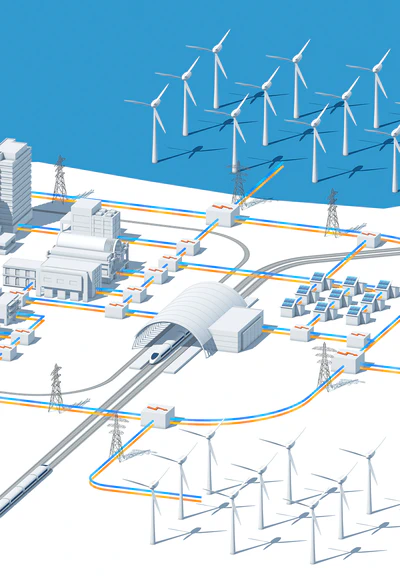
Smart Energy Systems Laboratory
Our Smart Energy Systems lab is equipped for cutting-edge research in battery management, microgrid control, and electrification of transport and heating. The lab supports development and testing of physics-informed AI models, fibre optic sensing platforms, and model predictive control frameworks — enabling the low-carbon transition of energy, transport, and manufacturing sectors.
- FBG optical fibre sensing system for real-time battery state monitoring
- Hardware-in-the-loop testbed for microgrid and EV charging research
- Edge-cloud energy monitoring and analytics platform
- AI and machine learning workstations for large-scale modelling
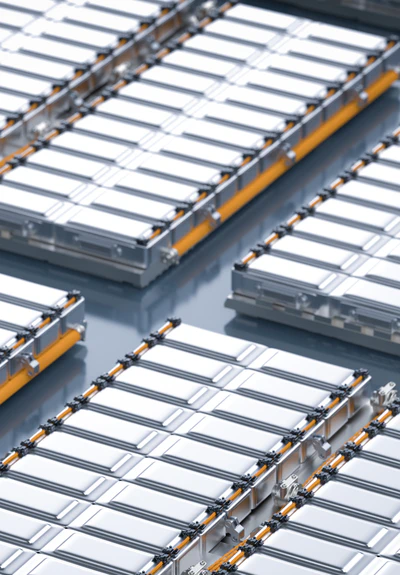
Intelligent Battery Monitoring Facility
This specialist facility houses our battery research infrastructure, supporting the development of next-generation battery management systems. Research here spans electro-thermal modelling, state-of-charge and state-of-health estimation, and machine-learning-driven degradation analysis, with technologies already adopted in polymer and food processing industries.
- Multi-channel battery cycling and characterisation equipment
- Thermal imaging and calorimetry for cell-level analysis
- AI-orchestrated data-driven analytics platform
- Collaborative industry testbed for real-world validation
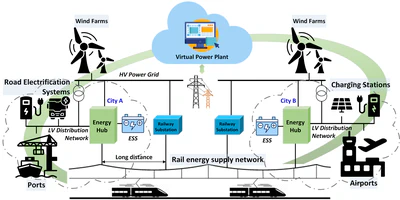
Multi-Energy Hub & Power Networks Lab
The Multi-Energy Hub laboratory supports research into railway energy hubs, district heating decarbonisation, and networked microgrids. Funded by Ofgem SIF, EPSRC, and National Grid, this facility is central to our mission of developing new microgrid technologies for heavy-duty vehicle electrification, agricultural decarbonisation, and whole-system energy transition.
- Multi-vector energy system simulation and hardware testbed
- Power electronics and grid-interface equipment
- V2X (vehicle-to-everything) demonstration platform
- Geothermal and district heating system modelling tools
Core Research Areas
The Institute of Communication and Power Networks focuses on three closely linked research themes
Smart Energy Systems
Battery management, microgrid control, EV charging, railway electrification, and low-carbon transition of energy-intensive sectors.
Communication Networks & Systems
Energy-efficient optical networks and systems, supported by a £5.9M EPSRC programme grant, engaging with all major UK telecommunication companies.
Wireless Communications
Advanced wireless systems research spanning signal processing, channel modelling, and next-generation network architectures.
Control Engineering & AI
Physics-informed AI, nonlinear system modelling, model predictive control, and machine learning for complex engineering applications.
Power Electronics & Grid Integration
Integration of renewable generation, HVDC systems for offshore wind farms, and multi-terminal power system monitoring using PMUs.
Fibre Optic Sensing
FBG-based sensing platforms for battery degradation analysis, real-time thermal management, and industrial process monitoring.
World-Leading Research Environment
The School of Electronic and Electrical Engineering at the University of Leeds is part of the Faculty of Engineering and Physical Sciences and is a member of the Russell Group. The school has a strong international reputation for research that addresses real-world challenges in energy, communications, and intelligent systems.
Why Work With Us:
- International Standing: Longstanding global reputation across communications, signal processing, control systems and instrumentation
- Industry Partnerships: Close collaborations with National Grid, Ofgem, Network Rail, and leading technology companies
- Interdisciplinary Research: Unique combination of energy, communications, AI and control expertise under one roof
- Postgraduate Opportunities: Motivated students from around the world are welcomed to apply for PhD study
Our Commitment to Impact:
- Research that directly addresses the UK’s net-zero and energy transition agenda
- EPSRC, Ofgem, Innovate UK, and National Grid funded programmes
- Strong track record of commercialisation and knowledge transfer
- Winner of multiple national and international research awards
Get in Touch
Contact the Institute Director
Find Us
Professor Kang Li
Chair in Smart Energy Systems
Room 3.56, School of Electronic and Electrical Engineering
University of Leeds
Leeds, LS2 9JT, United Kingdom
Office Hours
Monday - Friday: 9:00 AM - 5:00 PM
For PhD enquiries: please email in the first instance